Thursday, October 22, 2026
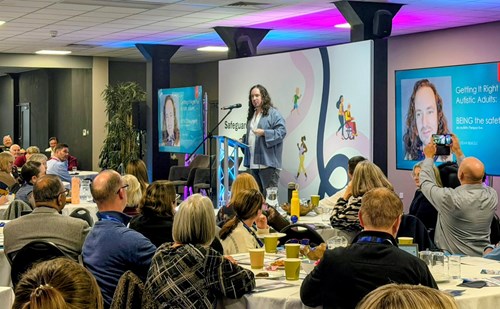
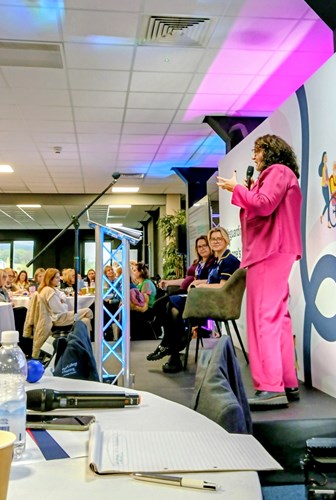
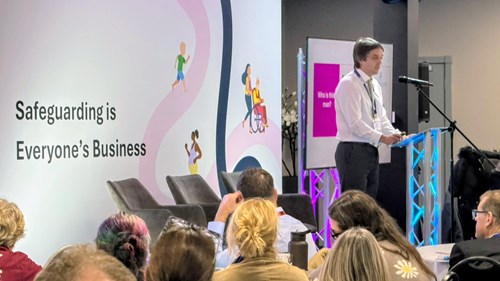
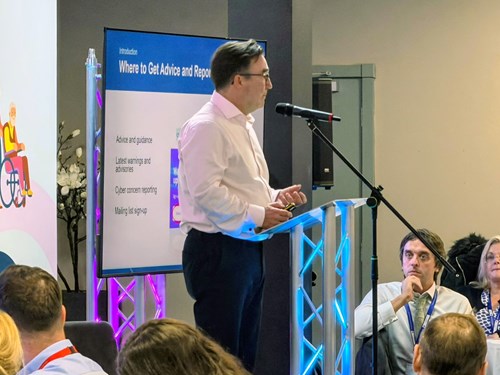
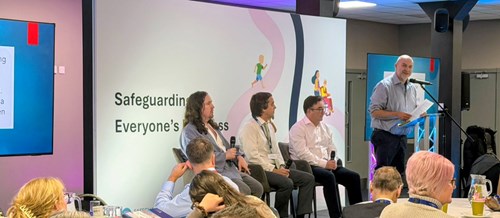
20th October 2026 saw colleagues from across the Island come together for the Isle of Man Safeguarding Board’s annual Children’s and Adults’ Safeguarding Conferences, creating an important opportunity to step away from the pressures of everyday practice, hear from a range of speakers and reflect together on how safeguarding can continue to be strengthened across the Island.
The Children’s Conference featured speakers Nicki Pettitt, Tracy Morris, Kyra Bell and Suzanne Stephenson (view the programme here- Programme) and explored some of the complex challenges facing children and young people, including exploitation, mental health and substance misuse, alongside trauma-informed practice, a Think Family perspective and the Island’s developing approach to Risk Outside the Home. The sessions encouraged delegates to consider how language, professional curiosity and multi-agency information sharing can shape the way children and families are understood and supported.
“Importance of trauma informed practice, joined up working and the language we use.”
Delegates particularly valued the focus on Adultification and the reminder that children should be seen and responded to as children, even when their behaviour or circumstances can lead adults to perceive them as older or more responsible. Feedback also highlighted the value of local examples, hearing perspectives from different agencies, and having practical messages that could be taken back into day-to-day work.
“The opportunity to hear and learn from experienced professionals to aid my practice going forward.”
The Adults’ Conference continued the conversation from a different perspective, featuring speakers Pete Corkhill, Mike Haywood and Dean Beadle (view the programme here- Programme) exploring elder abuse, the challenges facing vulnerable adults in relation to online safety, and neurodivergence and adult safeguarding. Speakers brought professional knowledge, lived experience and personal insight to the subjects, helping delegates consider vulnerability in its many forms and how services can respond more effectively to people’s individual circumstances, communication needs and experiences.
“I had never considered in detail the vulnerabilities that the autistic community face.”
The contribution on neurodivergence had a particularly strong impact. Delegates reflected on the additional vulnerabilities experienced by autistic people, the importance of listening to lived experience and the risk of making assumptions about behaviour, capacity or communication. The sessions on elder abuse and online safety also reinforced the need to recognise less visible forms of harm and to remain alert to the ways isolation, dependency, digital exclusion and changing circumstances can increase risk.
“Real life experience is so important in delivering presentations. Picked up several great points that we can put into practice.”
Feedback received following the conferences was very positive. Across the responses received, 94% of delegates rated their overall experience positively, 98% said the conferences met or exceeded their expectations, and 93% agreed that they would be able to apply the learning in their role. Almost two thirds of respondents of delegates at the Adults’ conference said it went beyond their expectations.
Delegates repeatedly described the speakers as knowledgeable, authentic, engaging and thought-provoking. They valued the use of real-life examples and the opportunity to hear perspectives from health, education, social care, housing, the third sector and other parts of the safeguarding partnership. This breadth helped reinforce that effective safeguarding depends not on any single service, but on different agencies listening, sharing information and acting together.
The feedback also provided helpful learning for future events. These points will help shape future Safeguarding Board learning events and ensure that they remain relevant, inclusive and useful to practitioners.
Across both conferences, however, there was a much broader message: safeguarding is everyone’s business.